





If you’ve ever finished cleaning your windows only to end up with streaks, cloudy patches, or dirty corners, you’re not alone. We see it every week. DIY jobs that started strong but ended with frustration, wasted paper towels, and windows that still looked grimy.
So what’s the secret to cleaning windows properly?
It’s not just about scrubbing harder or using fancy sprays. It’s about using the right tools, knowing how glass behaves, and avoiding the most common mistakes. Whether you’re tackling apartment windows or outdoor windows on a double-storey home, these expert tips will help you get clean, streak-free windows every time.
Contents
Secrets to Streak-Free Glass
1. Start with Proper Tools
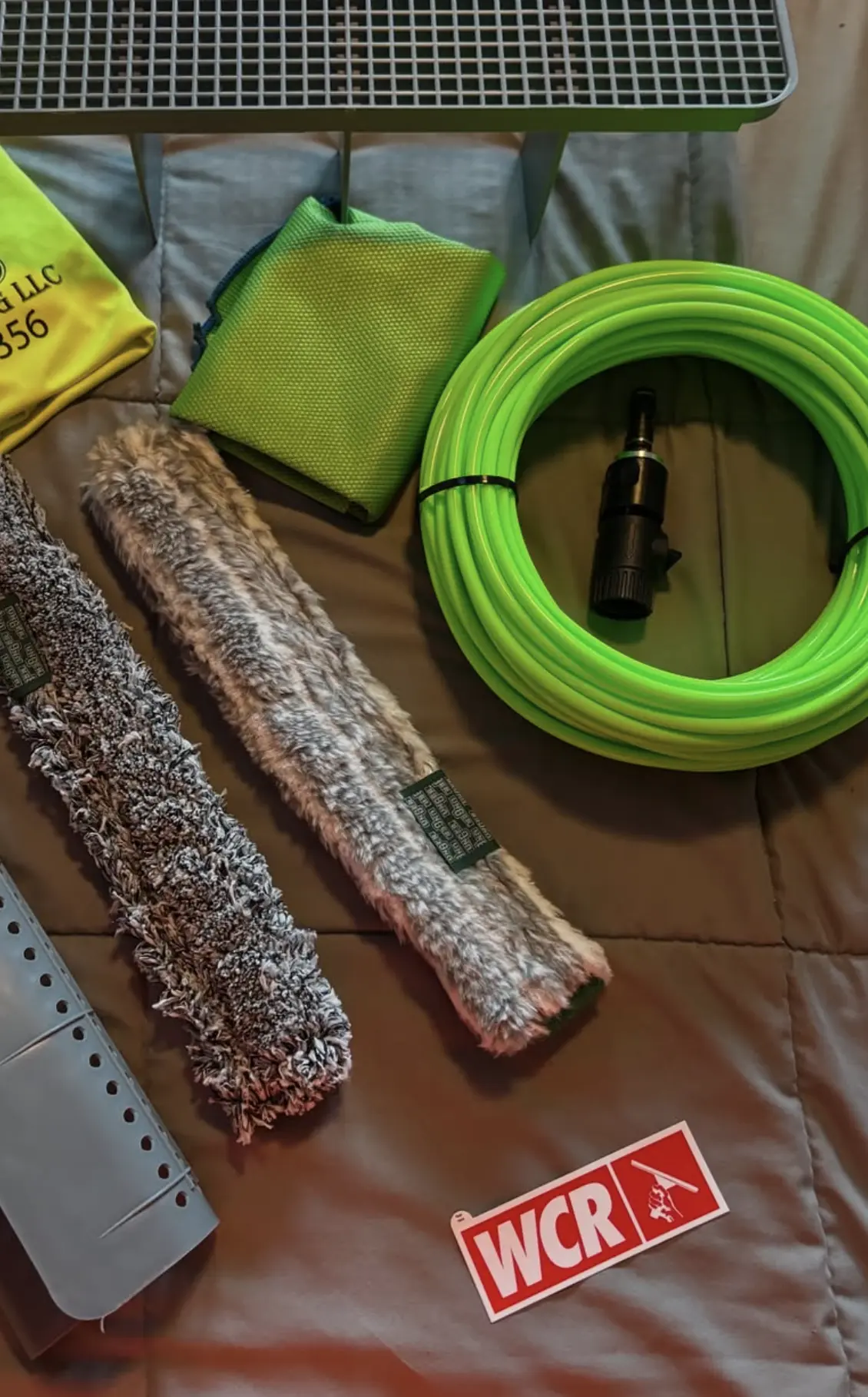
Forget balled-up newspapers and aerosol sprays. Here’s what a professional window cleaner actually uses:
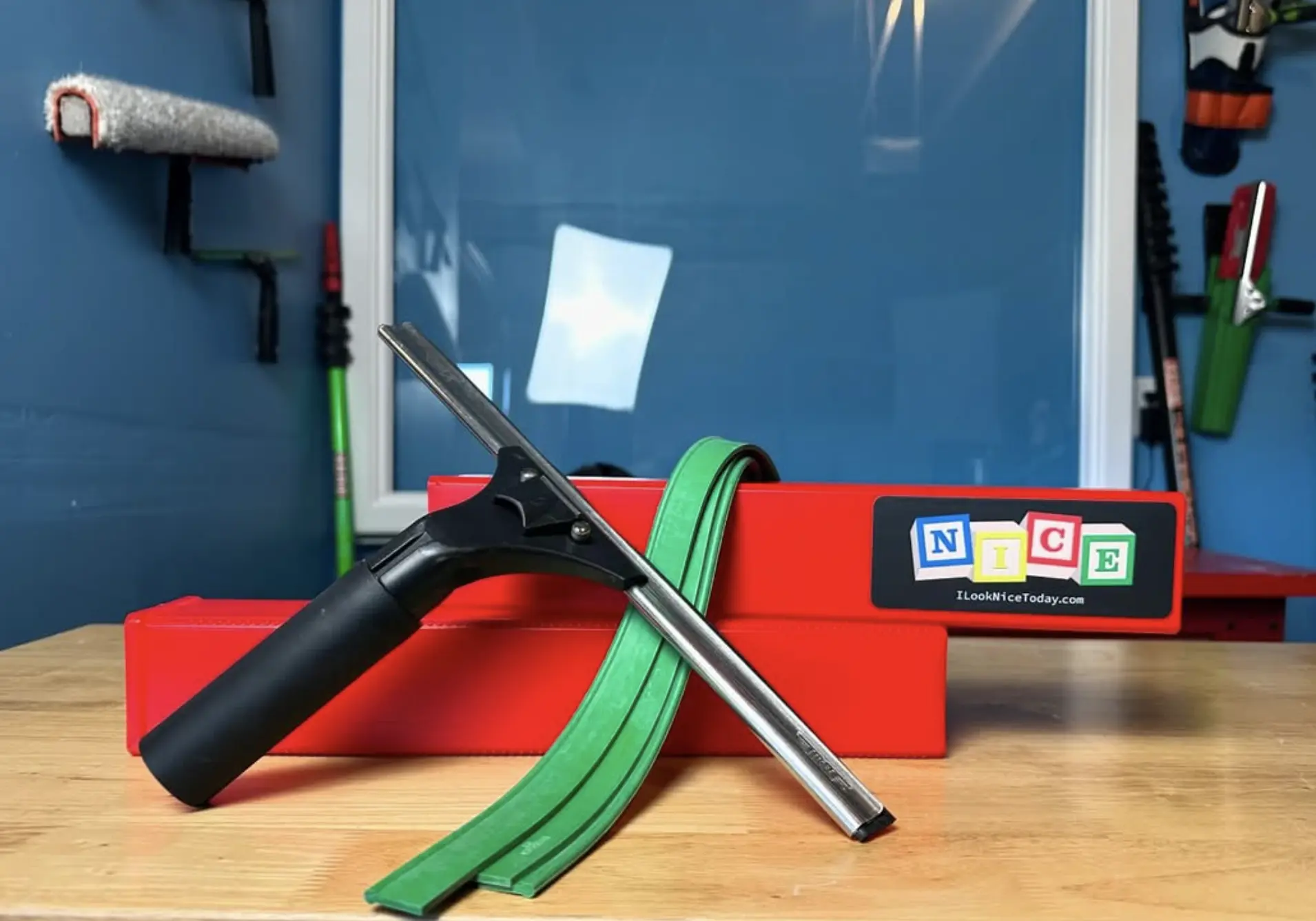
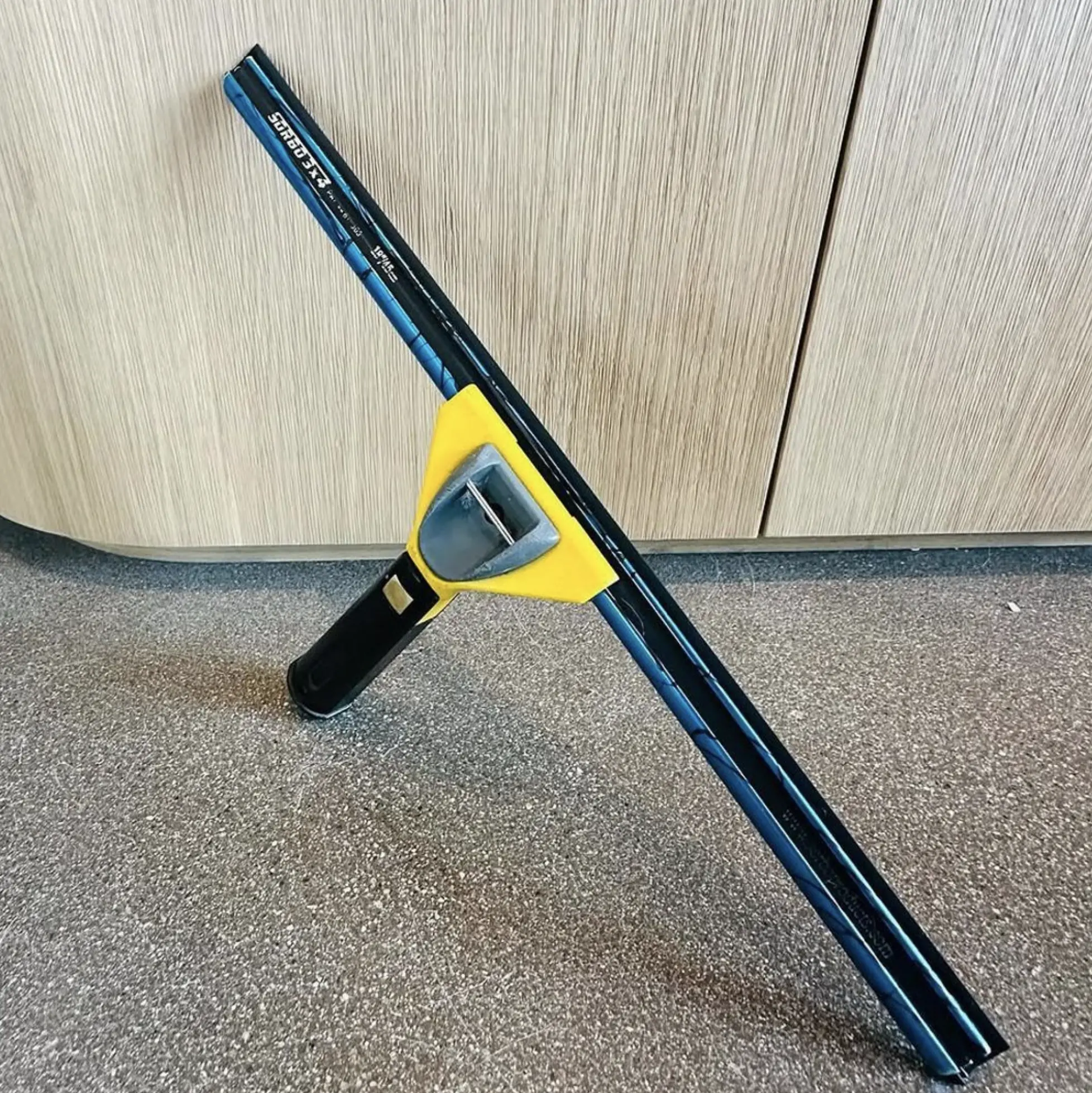
- Squeegee blade: This is the number one tool. A soft, rubber squeegee leaves a clean finish without streaks.
- Bucket of water: Fill with warm water and a couple of drops of dish soap. That’s your basic vinegar cleaning solution.
- Window scrubber or sponge: To apply your cleaning solution to the glass.
- Microfibre cloth: Use clean, lint-free microfibre cloths to detail the edges and soak up excess water.
- Extension pole: A must-have for exterior windows and tough spots.
- Soft bristle brush: Useful for agitating stubborn stains or built-up mineral deposits.
Optional but handy:
- Spray bottle with a homemade window cleaner (water + white vinegar + drops of dish soap)
- Razor blade (only for non-tempered glass) to remove bug residue or mineral spirits
We often use these tools on large commercial sites that require high rise window cleaning in Melbourne.
2. Use the Right Water Temperature
Hot water works well for greasy windows (like kitchen windows), but warm water is usually ideal. Cold water can cause streaks and isn’t great at cutting through grime.
If your tap water is high in minerals, consider using distilled water or bottled water to avoid water spots and mineral deposits that ruin a streak-free shine.
The Window-Washing Process
1. Remove Dust and Loose Dirt
Use a soft broom or brush attachment to knock off cobwebs and loose debris. Don’t start scrubbing dirt directly with water — you’ll just smear it.
2. Wash the Window Frame and Sill First
Using a damp cloth or soft cloth, wipe down the window frames, window sill, and window tracks. This prevents dirty runoff from staining your clean windows later.
3. Scrub the Window Surface
Apply your cleaning solution (a mix of clean water, white vinegar, and a drop of dish soap) using a window scrubber or sponge. Let it sit for a few seconds on tough stains.
4. Squeegee Dry
Start at the top of the window and use a straight stroke or vertical strokes, overlapping each pass slightly. Wipe the squeegee blade with a clean microfiber cloth after each stroke to avoid streaks.
5. Detail the Edges
Use a dry microfiber cloth or clean cotton towel to soak up excess water around the edges for a streak-free clean. Buff lightly if needed to get a beautiful shine.
Common Window Cleaning Mistakes
Mistake 1: Cleaning in Direct Sunlight
The glass heats up, water evaporates too fast, and you end up with soapy residue and window streaks. Always clean windows early morning or late arvo.
Mistake 2: Using Paper Towels
A roll of paper towels leaves lint and pushes dirt around. Use a micro-fibre towel, bamboo cloth, or absorbent microfiber cloths instead.
Mistake 3: Skipping the Screens
Window screens collect dirt, pollen, and bugs. Wash them gently with soapy water and a soft brush. Let them dry fully before reinstalling.
Mistake 4: Reusing Dirty Water
Swap out your bucket of water regularly. Dirty water means you’re just smearing grime around.
When to Bring in a Pro
Not every job needs a pro, but there are times when a professional window cleaning solution is safer and more effective:
- High-rise apartments or double-hung windows on the second storey
- Commercial window cleaning solutions for office buildings or shopfronts
- Built-up mineral deposits or stains from bore water
- End-of-lease cleans or curb appeal improvements before selling
We use chemical-free window cleaning solutions where possible, pure water systems for high glass, and always finish with a streak-free glass result. Plus, we’ll spot early signs of wear like damaged seals or corroded tracks that you might miss.
This is exactly the type of job we handle during high-rise window cleaning Melbourne projects.
Want Help With the Tough Spots?
If you’ve got stubborn marks, tough stains, or a second storey that’s just out of reach, flick us a photo. Happy to give advice or a quick quote.
We handle everything from window washing to high-access work, and we’ll always use the safest, cleanest option for your surface and situation.
Homemade Window Cleaning Solution
Here’s a simple DIY option:
- 2 cups of water (use distilled water if possible)
- 1/4 cup white vinegar or apple cider vinegar
- A few drops of dish soap
Pour it into a spray bottle, shake gently, and you’ve got an affordable window cleaning solution that’s tough on grime and safe on glass. Use with a clean cloth diaper or micro – fiber towel for best results.
We recommend this as part of your regular window cleaning routine for homeowners looking for a chemical-free option.
The Key to Long-Term Results
Leaving dirty windows too long means more effort later and increases the risk of long-term damage like mineral deposits and mould growth in the frames.
Tackle your household chores with a regular window clean every 3–4 months. This keeps your glass cleaner, maintains curb appeal, and reduces the need for harsh scrubbing or abrasive window cleaning detergents.
Window Cleaning Melbourne services often recommend quarterly visits to keep your property in top shape.
Professional cleaners can tailor the schedule based on your location, window type (e.g., tempered glass, double-hung), and external factors like trees, salt air, or busy roads.

Final Word
The real secret to clean, streak-free windows isn’t just about products or elbow grease (though you’ll need both). It’s about:
- Using the right tools (squeegee, microfibre cloth, window cleaning detergent or homemade solution)
- Cleaning the entire surface, not just the glass
- Working in the right conditions (cool weather, no direct sun)
- Knowing when to DIY and when to call a pro
With the right method and a bit of actual elbow grease, you can get windows without streaks and a clearer finish every time.
And if you’re managing a commercial site or multi-storey building, make sure to work with high rise window cleaners who understand the risks and regulations.
FAQ
What is the best way to get streak-free windows?
Use a squeegee, clean in the shade, and dry edges with a dry microfiber cloth. Avoid paper towels and harsh cleaners.
Can I use vinegar to clean my windows?
Yes! A white vinegar solution is a great DIY cleaner. Mix with warm water and a bit of dish soap for best results.
How do I clean window tracks?
Vacuum first, then scrub with a damp cloth, soft brush, or even a cotton swab for tight spots. Rinse with clean water.
Is ammonia safe for windows?
Only in small amounts and never on tempered glass. It can damage seals and coatings. Safer to stick to vinegar-based solutions.
What’s the best cleaner for outdoor windows?
Use a bucket of soapy water and a squeegee for most jobs. For high windows, consider a water-fed pole or professional service.