
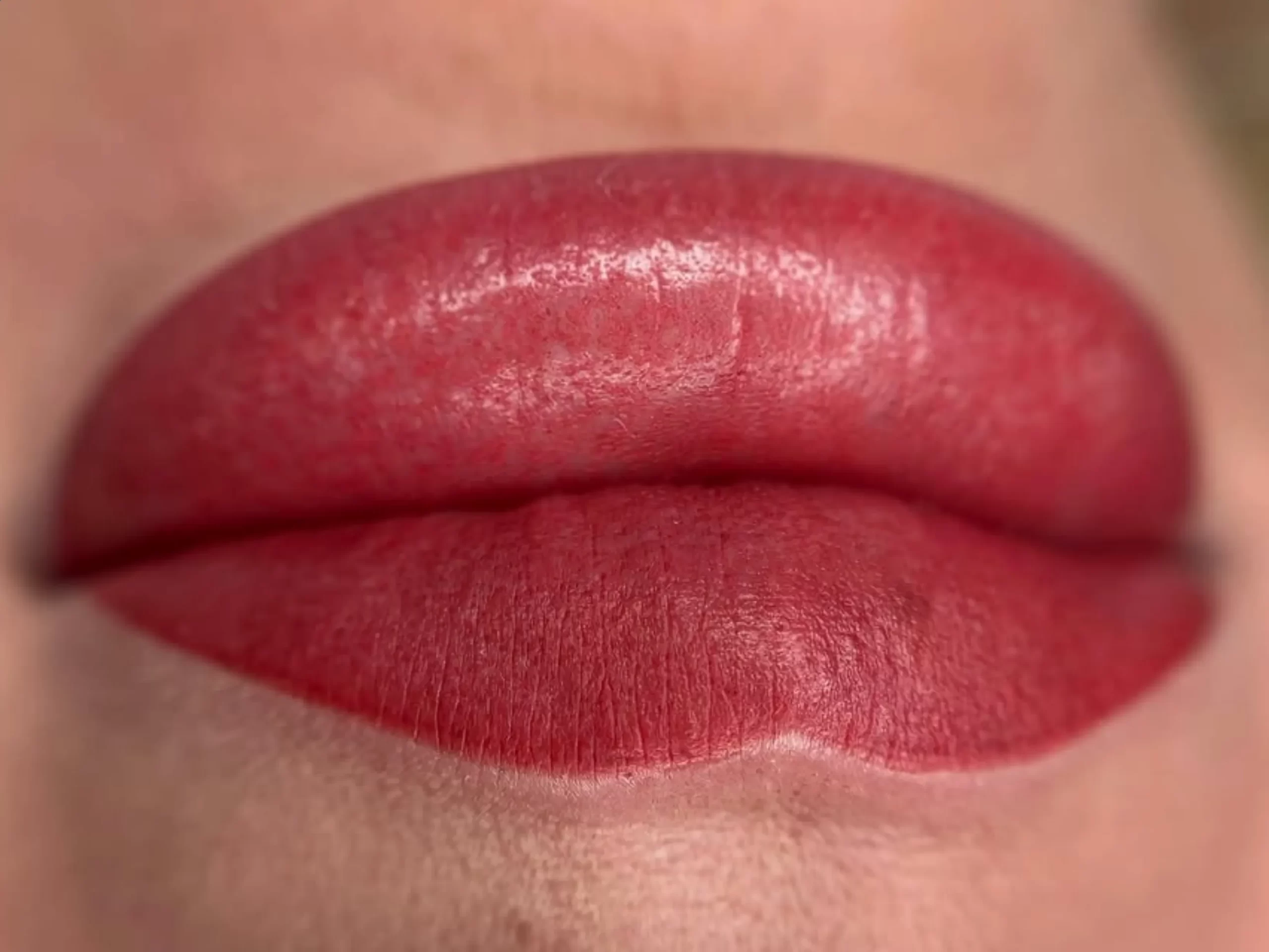
If you’ve Googled “Do lip tattoos get infected easily?” you’re not alone. It’s one of the most common questions clients ask before booking their appointment — and for good reason. Lips aren’t just any old canvas. They’re delicate, exposed to everything you eat and drink, and packed with blood vessels. So, yes, there are risks. But no, infection isn’t inevitable — not if the work is done professionally, and aftercare is on point.
Whether you’re looking for a subtle lip blushing tattoo or a bold lip colour boost, understanding the risk of infection is key to getting great results.
In this article, we’ll break down what actually increases the risk of infection (hint: it’s not just about hygiene), how to spot early signs, what real healing looks like, and what you can do to keep your pout safe. Consider this your no-BS, beauty-pro-approved guide to staying smart, safe and gorgeous post-lip tattoo.
Contents
- 1 The Skin Barrier on Your Lips Works Differently
- 2 Factors that Contribute to Infection Risk:
- 3 How Infection Can Happen After Cosmetic Tattooing
- 4 How Infections Occur:
- 5 What Infection Looks Like
- 6 How to Lower Your Risk Before and After Treatment
- 7 Healing Timeline: What to Expect
- 8 2025 Data Says About Infection Rates
- 9 When to See a Doctor or Your Artist
- 10 Final Thoughts: Infections Aren’t Common, But They Can Happen
- 11 FAQ
The Skin Barrier on Your Lips Works Differently
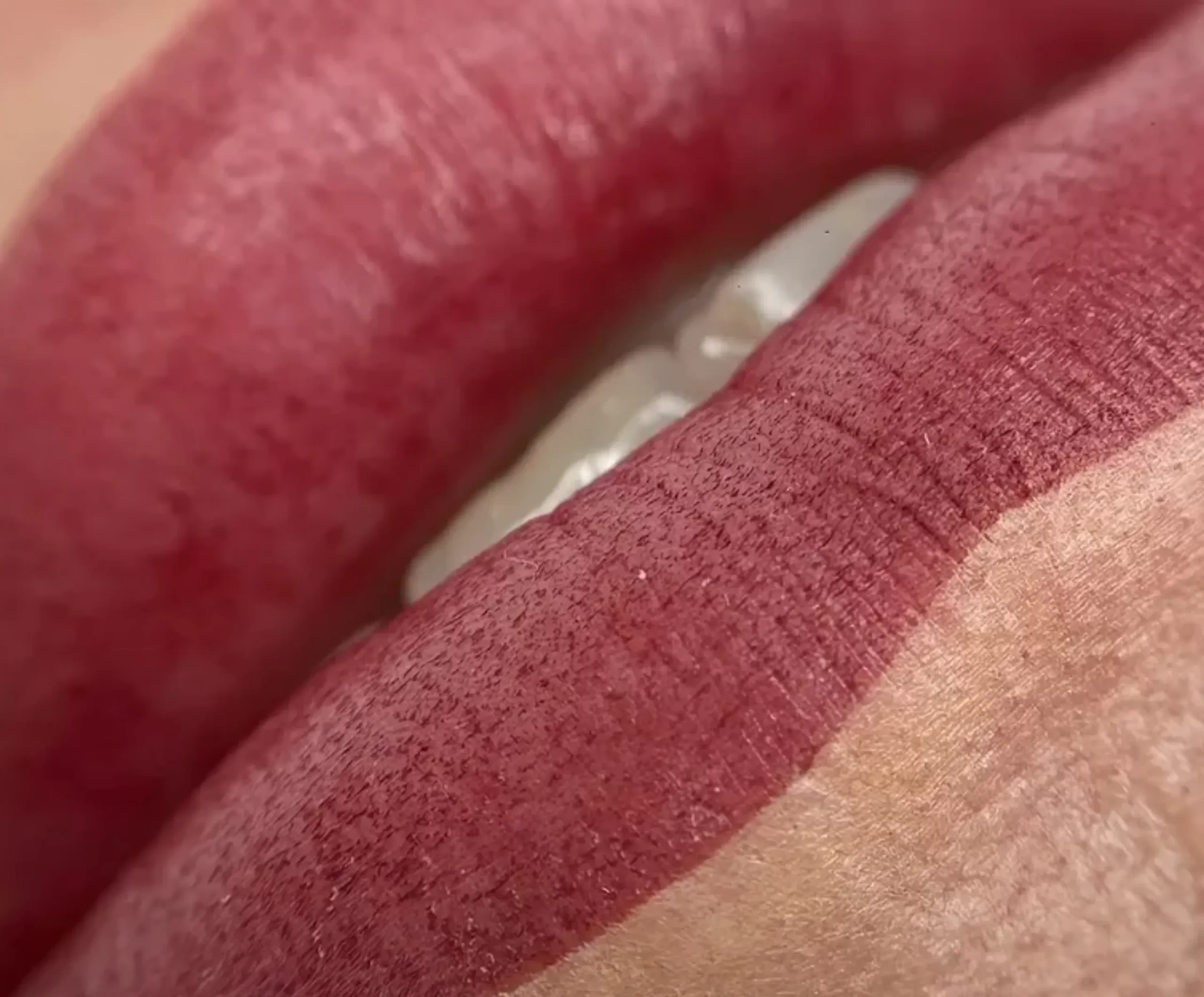
Lips don’t have sebaceous glands, and they’re made of much thinner skin than the rest of your face. That means they dry out quicker, crack more easily, and are more vulnerable to environmental stressors like UV rays, wind and even your own saliva.
Because the skin barrier on your lips is naturally weaker, any disruption — like the trauma from a tattoo needle — leaves it wide open to bacterial infections. That’s why even the cleanest salon in Melbourne can’t save you from an infection if aftercare is skipped or skincare habits clash with healing.
If you’re getting a permanent lip tattoo, understanding your skin’s sensitivity is key before you start.
Factors that Contribute to Infection Risk:
- Compromised immunity (recent illness, autoimmune conditions, diabetes)
- Cold sore outbreaks (Herpes Simplex Virus HSV type 1)
- Poor aftercare or picking at scabs
- Contaminated makeup or brushes post-treatment
- Using lipsticks, glosses, or lip balms with irritants too early
- Exposure to blood-borne infections like hepatitis B or hepatitis C can occur if the equipment isn’t sterile
How Infection Can Happen After Cosmetic Tattooing
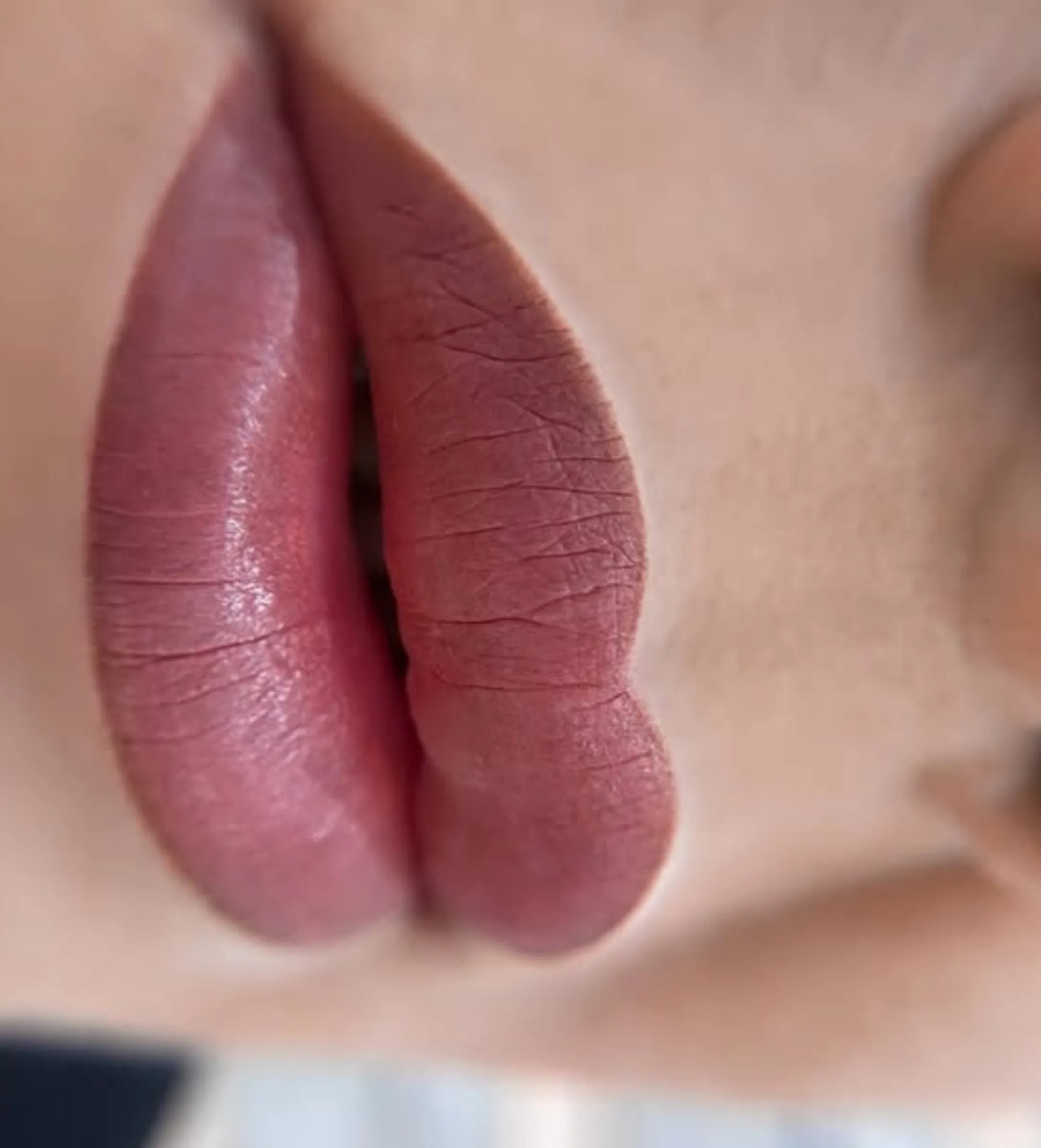
Let’s get into it. Cosmetic tattooing on the lips involves implanting tattoo ink into the dermal layer using a tattoo needle. It’s basically a controlled wound, and like any wound, it needs to be kept clean and protected to avoid bacterial invasion.
Your artist should use sterile, single-use equipment during any lip tattooing procedure to reduce infection risks.
How Infections Occur:
- Bacterial exposure: Staph and strep bacteria can get in through unwashed hands, dirty masks or contaminated surfaces.
- Cross-contamination: Double dipping cotton tips or sharing aftercare balms.
- Moisture overload: Drinking from dirty bottles, sipping hot drinks too soon or overusing balms can soften scabs and let germs in.
- Heat and humidity: Common in Melbourne summers, which can speed up bacterial growth.
Studio Insight: We once had a client get redness and swelling on day 3 because she wore an old cloth mask that hadn’t been washed in weeks. The tattoo itself was perfect — but the bacteria on that mask wasn’t.
What Infection Looks Like
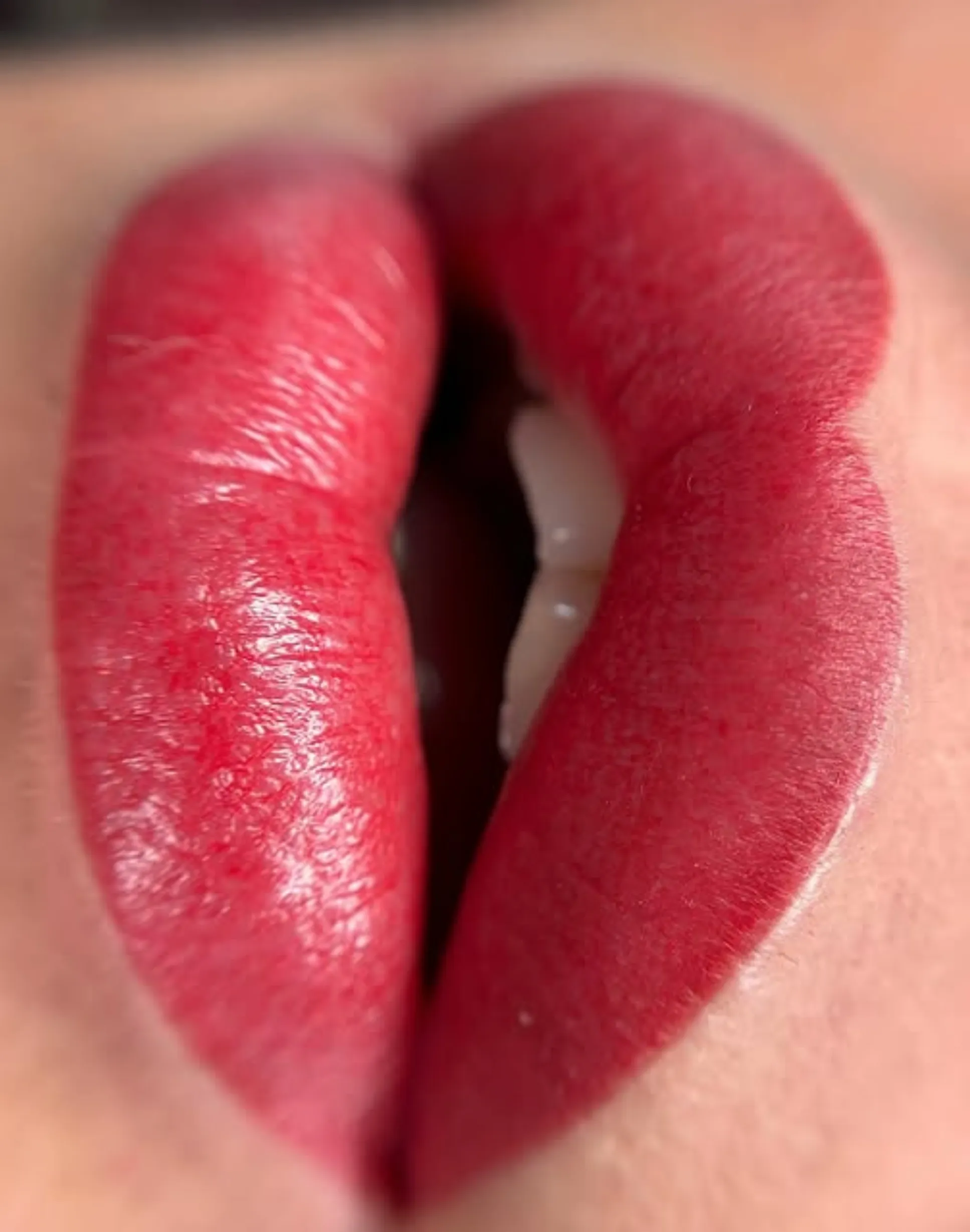
Don’t confuse healing symptoms with infection. Some swelling, tenderness and light peeling is normal. Here’s how to tell the difference.
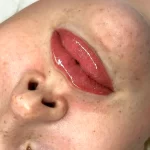
The lip tattoo healing process can include some light scabbing and peeling, but it should never include pus or persistent pain.
| Symptom | Normal Healing | Possible Infection |
|---|---|---|
| Swelling | Mild, first 24–48 hrs | Increases after day 3 |
| Redness | Light pink halo | Bright red, spreading |
| Tenderness | Slight to moderate | Sharp, worsening pain |
| Peeling or flaking | Light, dry, uniform | Oozing, crusty, yellowish scabs |
| Fever or chills | Not typical | Medical attention needed |
If your lips start to throb, feel hot to the touch, or you see pus, see a GP. Catching an infection early means a short course of antibiotics and no pigment loss. Waiting too long can mean scarring, pigment migration or, in worst cases, tattoo removal.
How to Lower Your Risk Before and After Treatment
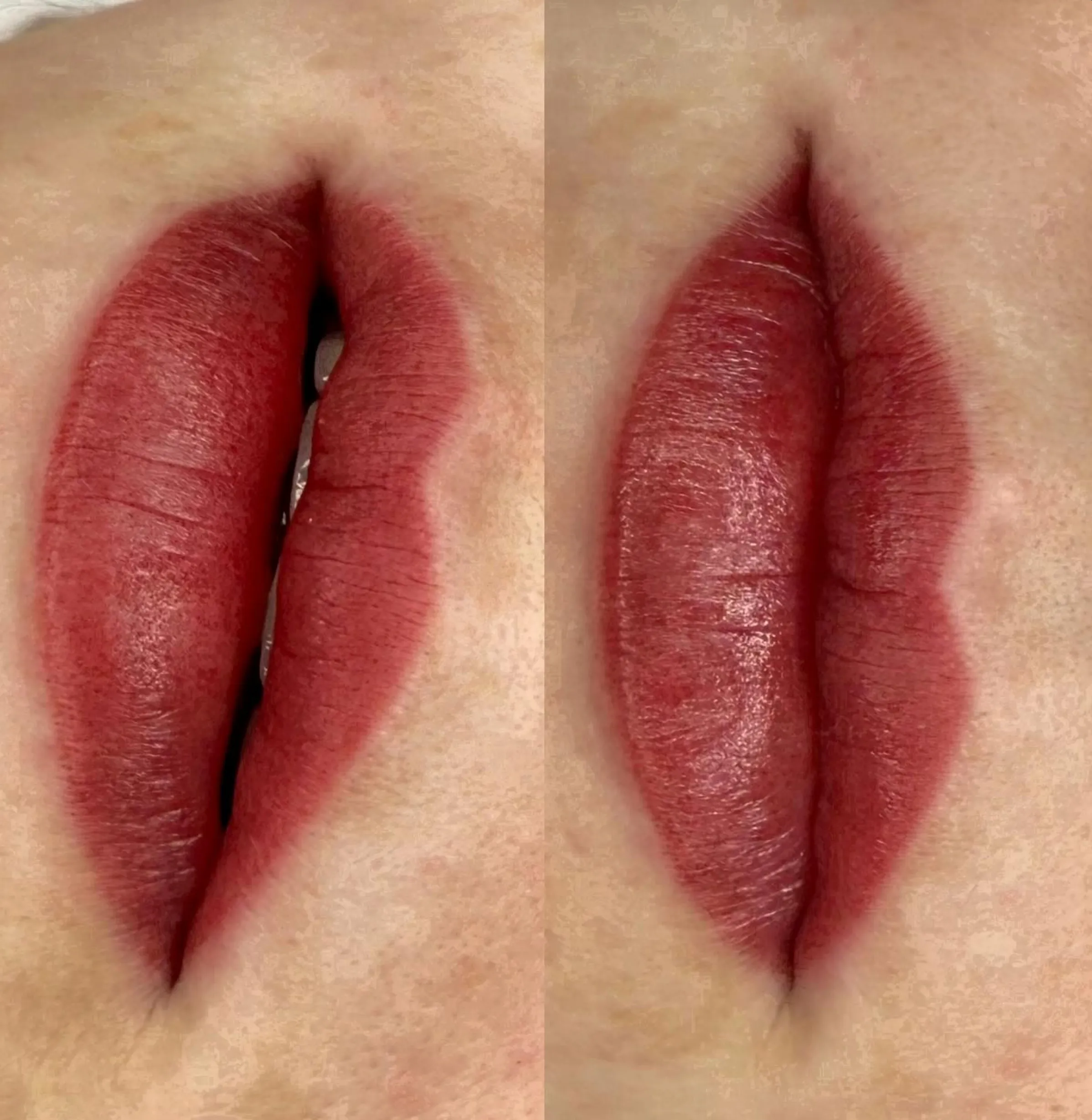
Before Your Appointment
- Avoid blood thinners (aspirin, alcohol, fish oil) 48 hours prior
- Take antiviral medication if you’re prone to cold sores or fever blisters
- Stay well hydrated and avoid sunburn or dry/cracked lips
- Choose a reputable tattoo artist with sterile equipment and council-approved hygiene protocols
- Disclose any history of oral health conditions, allergic reactions or blood-borne illnesses
If you’re going for a defined lip liner or that full lipstick look, prepping properly makes a huge difference in results and safety.
After Your Appointment
- Use a clean pillowcase for the first few nights
- Avoid spicy food, hot drinks and kissing for 48 hours
- Apply aftercare balm with clean hands or cotton buds only
- Don’t pick at flaking skin during the healing phase
- Skip the gym, saunas and pools for at least 5 days
- Avoid makeup on or near the lips until fully healed
- Rinse with an alcohol-free or antibacterial mouthwash if recommended
Pro Tip: Keep a stash of gauze pads and clean cotton buds at your bedside. That way if you wake up with dry lips or need to dab, you’re not reaching for your fingers.
Healing Timeline: What to Expect
Healing varies depending on your skin type, age and how well you follow aftercare. But here’s a general guide for permanent makeup on the lips:
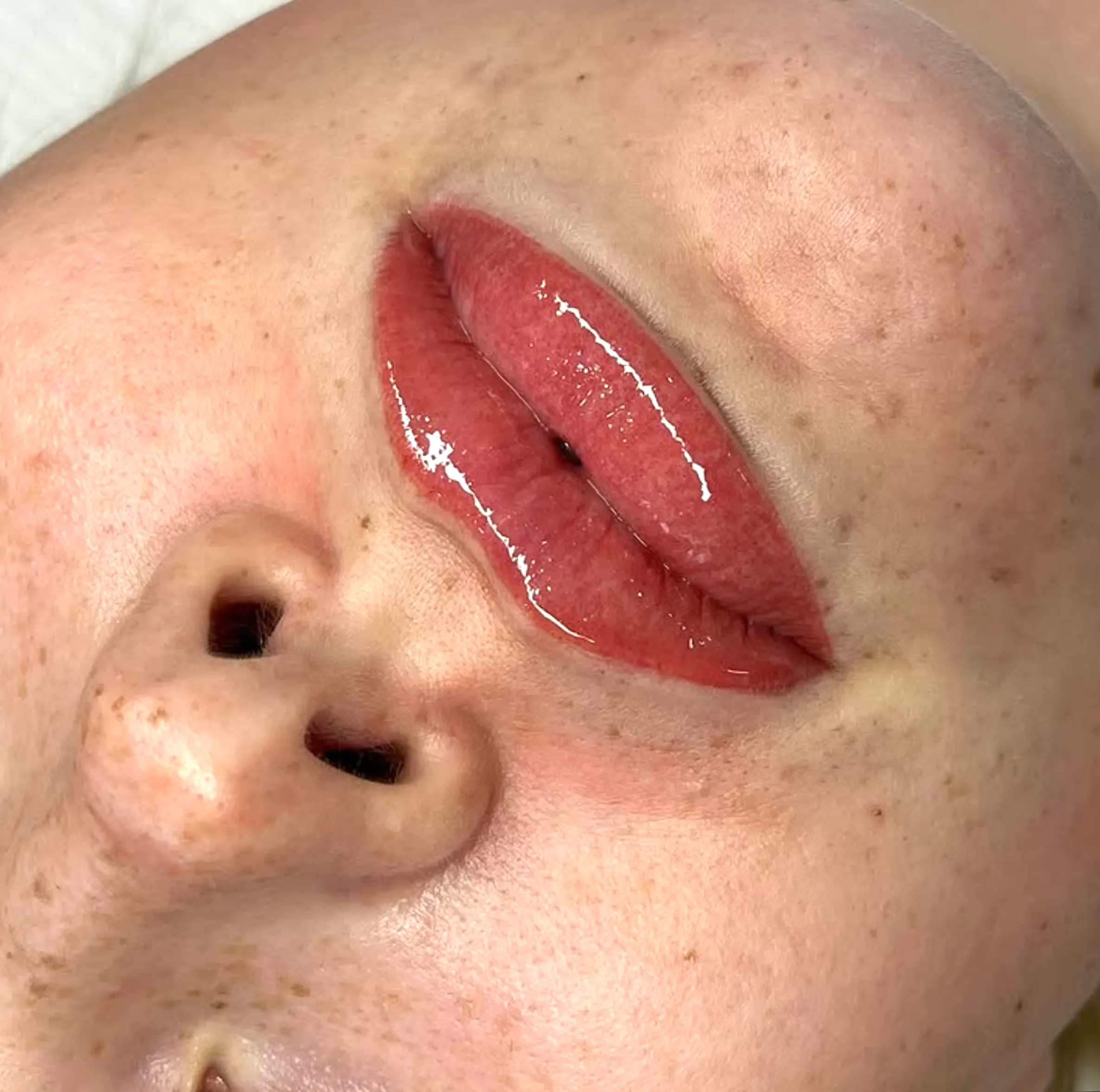
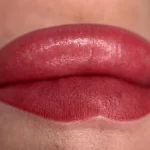
- Week 1: Lips will appear bold, then start to scab and fade. Flaking begins around day 3 or 4. Swelling usually subsides in 48 hours. After a lip blush tattoo, the colour will initially appear darker than intended — it’ll lighten over the coming weeks.
- Week 2: Peeling ends, colour appears too light. Lips feel tight but not sore.
- Weeks 3–4: Pigment settles and gets deeper. Lip colour and liner definition show up.
Warning: If you’re still seeing oozing, bumps or redness after week 1, see your artist or a GP.
2025 Data Says About Infection Rates
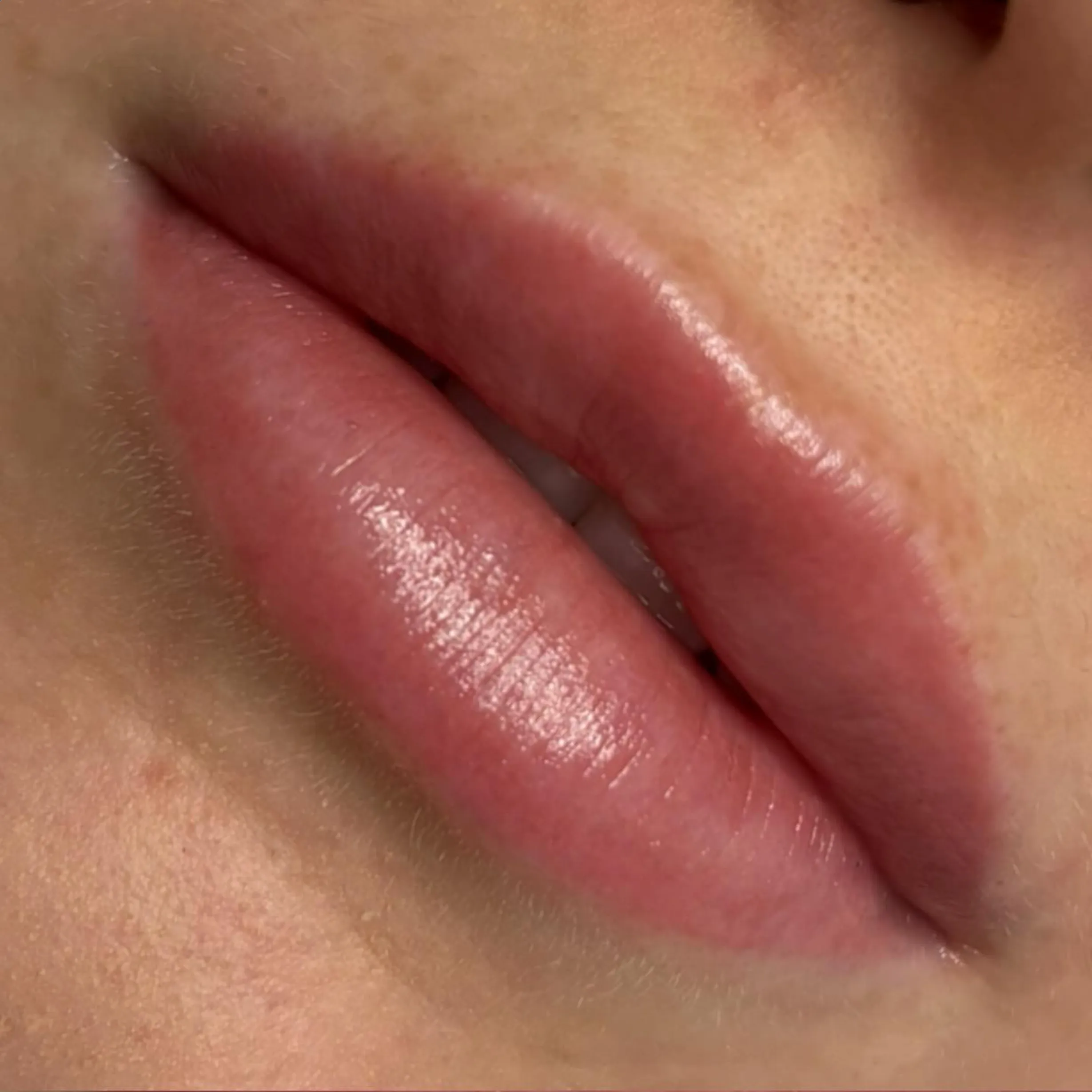
Face Figurati in Melbourne has always put client safety and clean technique first, so we get amazing long-term results with minimal complications.
Thanks to better hygiene protocols, improved pigment formulas and smarter client education, lip tattoo infection rates in 2025 are low in licensed Australian clinics.
Key Stats:
- Less than 2% of clients in Melbourne report infection-related issues when following aftercare
- Over 90% of issues reported were from post-care neglect, not artist error
- Studios using sterilised equipment and disposable tattoo needles had 0% infection rate in Q1 2025
Whether you’re getting a lip blushing tattoo for a natural look or a more sculpted finish, these stats show how important proper hygiene and aftercare really are.
These stats don’t mean you can slack off with aftercare — they just mean most infections are preventable.
When to See a Doctor or Your Artist
If something doesn’t feel right, don’t rely on TikTok advice or random forums. Go straight to your cosmetic tattoo artist or GP.
Contact your artist if:
- You’re unsure if it’s normal swelling or something more
- You’re thinking of applying any ointments not listed in your aftercare
- You’ve had pigment loss and want to discuss a touch-up or correction
See your GP if:
- You have a fever, chills or a pimple-like rash on or around the lips
- Swelling worsens after day 3
- You’re in pain that’s not relieved by paracetamol, or you have low pain tolerance
Final Thoughts: Infections Aren’t Common, But They Can Happen
The short answer to “Do lip tattoos get infected easily?” is: not if you do your part. With proper prep, a clean studio and disciplined aftercare, your risk is low. But lips are sensitive, and healing takes respect.
Whether you’re getting a permanent lip tattoo for convenience or confidence, make sure you’re just as committed to the healing as the look.
Stay vigilant, stay moisturised and don’t be afraid to ask questions. Good cosmetic tattoo artists want informed clients. We’d rather you message us three times than show up with a swollen, overworked pout that could’ve been avoided.
FAQ
Can I wear lipstick while healing?
No. Avoid all lip makeup, especially permanent lipstick or traditional lipstick, for at least 10 days or until flaking has stopped.
What if I get a cold sore after my lip tattoo?
See your GP. Antiviral medication can help reduce healing time and limit pigment disruption. Cold sores and fever blisters are common if you have a history of Herpes Simplex Virus.
Is yellow scabbing normal?
Yellow crust may be an infection, especially if accompanied by pain or swelling. Check with your artist or doctor.
Can I get a lip tattoo if I have a history of acne or allergies?
Yes, but tell us during the consultation. Patch tests and modified aftercare may be recommended to avoid allergic reactions.
How do I clean my lips after the procedure?
Gently blot with a damp cotton pad (cooled, boiled water) and pat dry. Follow with a sterile aftercare balm using a cotton tip. If needed, use an alcohol-free antibacterial mouthrinse to support oral mucosa hygiene.