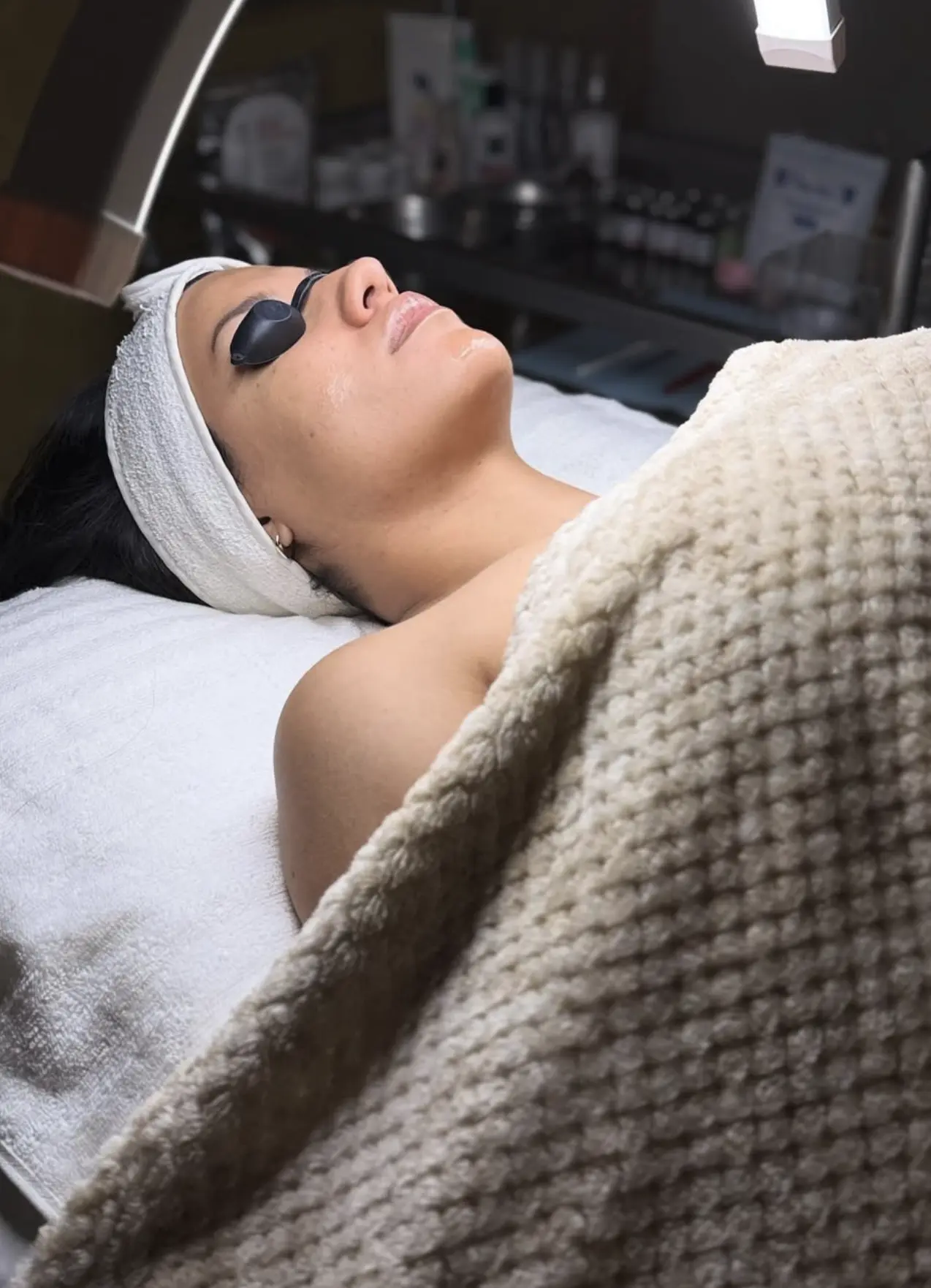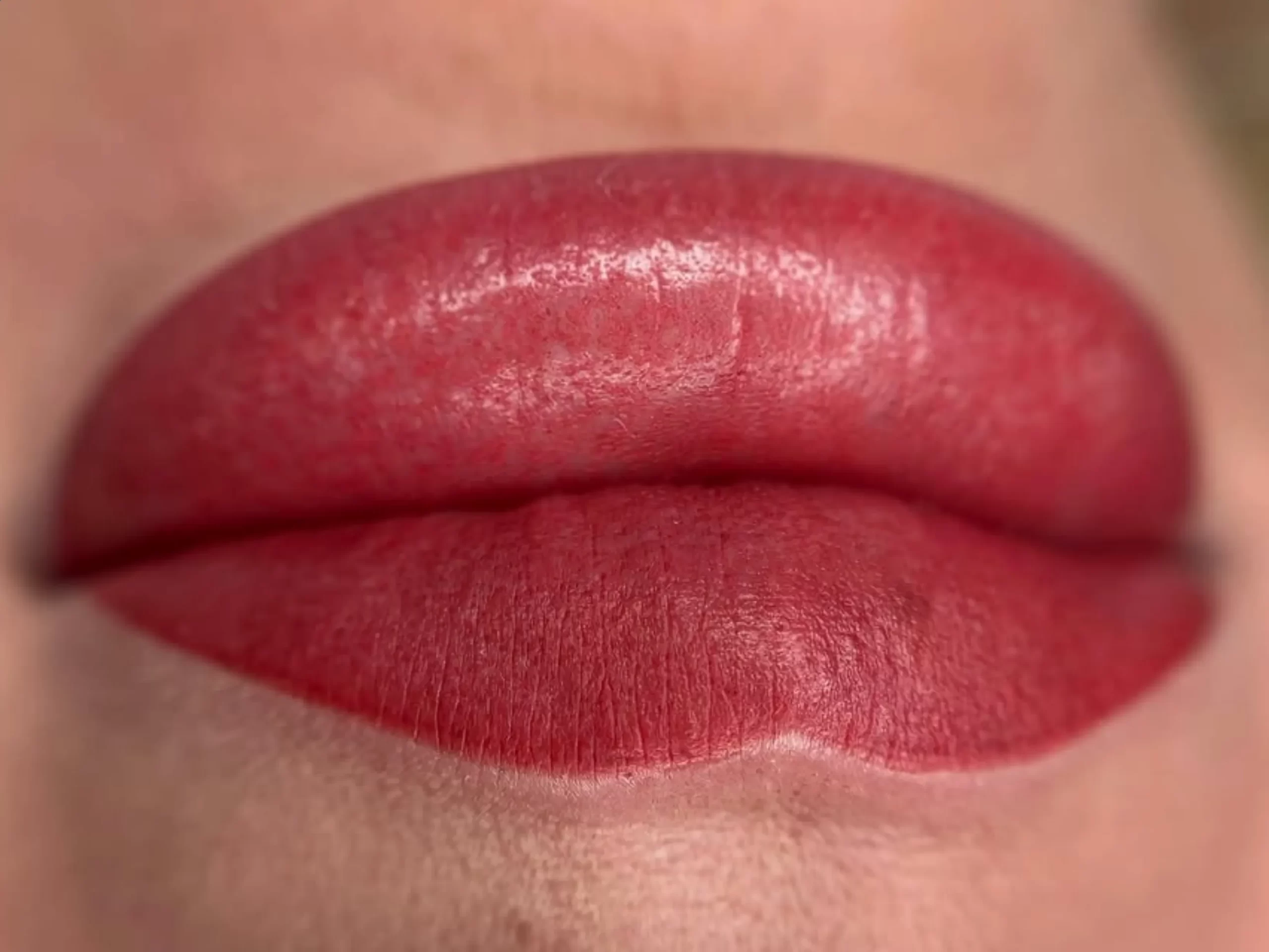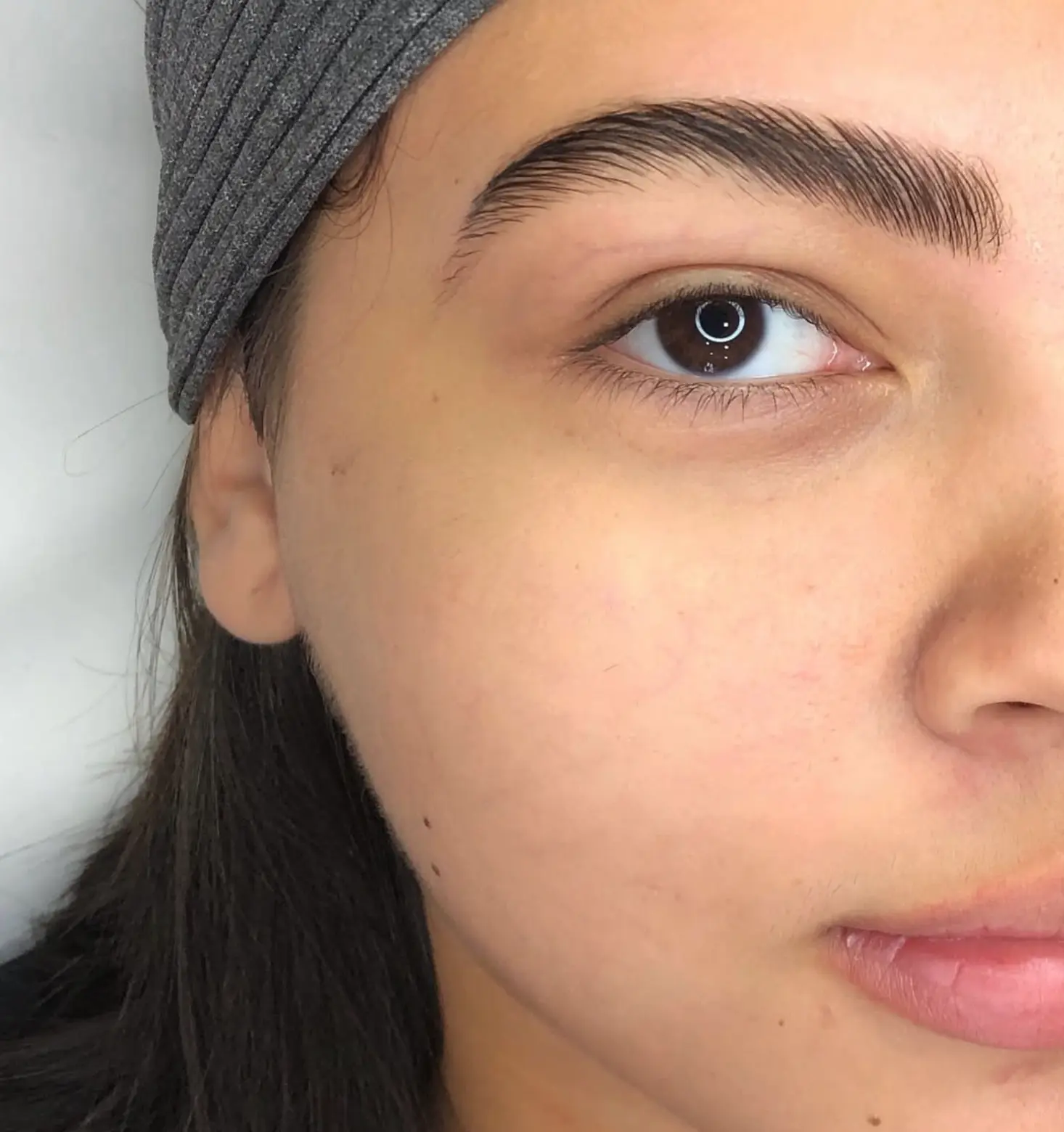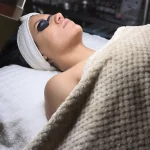
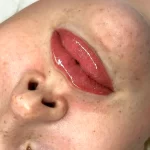
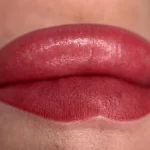

Are lip tattoo courses suitable for nurses or dermal therapists?” is one of the most common questions we get asked in consults and DMs – and as Uliana Kasperska (a licensed cosmetic tattoo artist over here in Brisbane), I totally get why you’re asking before you spend a single cent.
If you’re coming from a nursing or dermal therapy background, or you work in a cosmetic clinic (where you probably already see all sorts of cosmetic treatments like laser therapy and cosmetic injectables), you’re not starting from scratch – you’ve got a solid foundation to work with and real-world experience with clients.
When it comes to lip tattoo courses, just approach it like you would any hands-on clinical upskill: check who’s supervising, make sure they cover safety properly, and that you’ll get a chance to practice on real models, not just watch a demo.
Contents
- 1 Why Clinicians Often Do Well In Training
- 2 Why Clinical Minds Adapt Fast To Lip Tattooing
- 3 What Skin Pros Bring Into Lip Tattooing
- 4 The Shared Skill Gap: Artistry + Machine Control
- 5 What A Good Lip Course Should Include
- 6 Brisbane And Queensland Rules To Know
- 7 Infection Prevention Unit: HLTINF005
- 8 Brisbane City Council Licensing
- 9 Nurses: Scope, Side Businesses, And Reality Checks
- 10 A Quick Comparison Table: Strengths, Gaps, And Best Course Match
- 11 Market And Trend Notes For 2026
- 12 Final Advice — And A Friendly Nudge
- 13 FAQ
- 13.1 Do nurses typically pick up cosmetic tattooing faster than complete beginners?
- 13.2 Can lip tattooing be added to the menu at a clinic with a bunch of other cosmetic treatments?
- 13.3 Do you need some extra postgrad qualifications to get into this sort of thing?
- 13.4 Is online training all you need to learn how to do this stuff?
- 13.5 What if you’re already an aesthetician offering injectables – will adding tattooing somehow clash with that?
Why Clinicians Often Do Well In Training
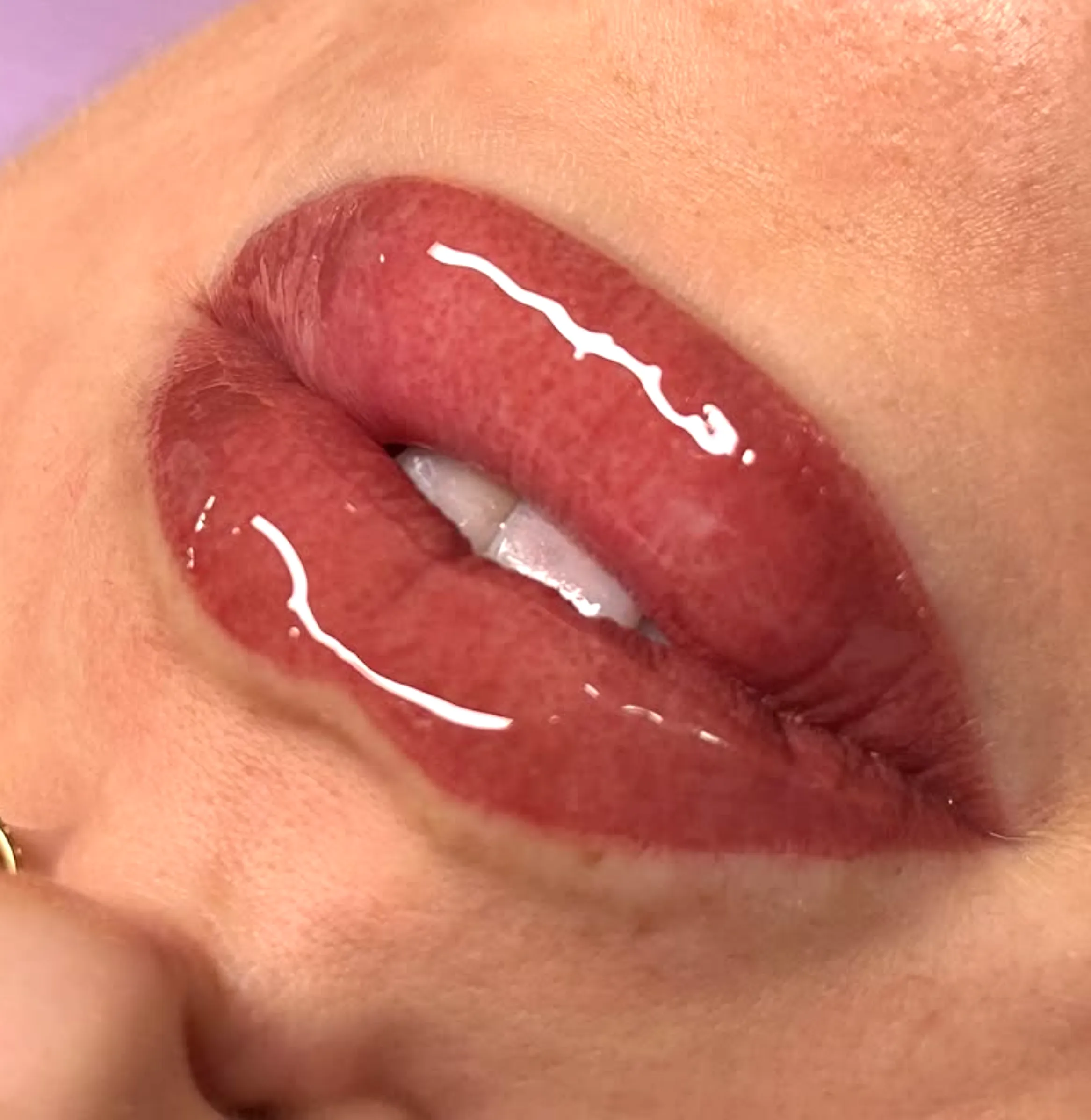
You’ve already worked in places where cleanliness is key, where documentation counts, and where “looks a bit off” is a reason to stop and take a closer look.
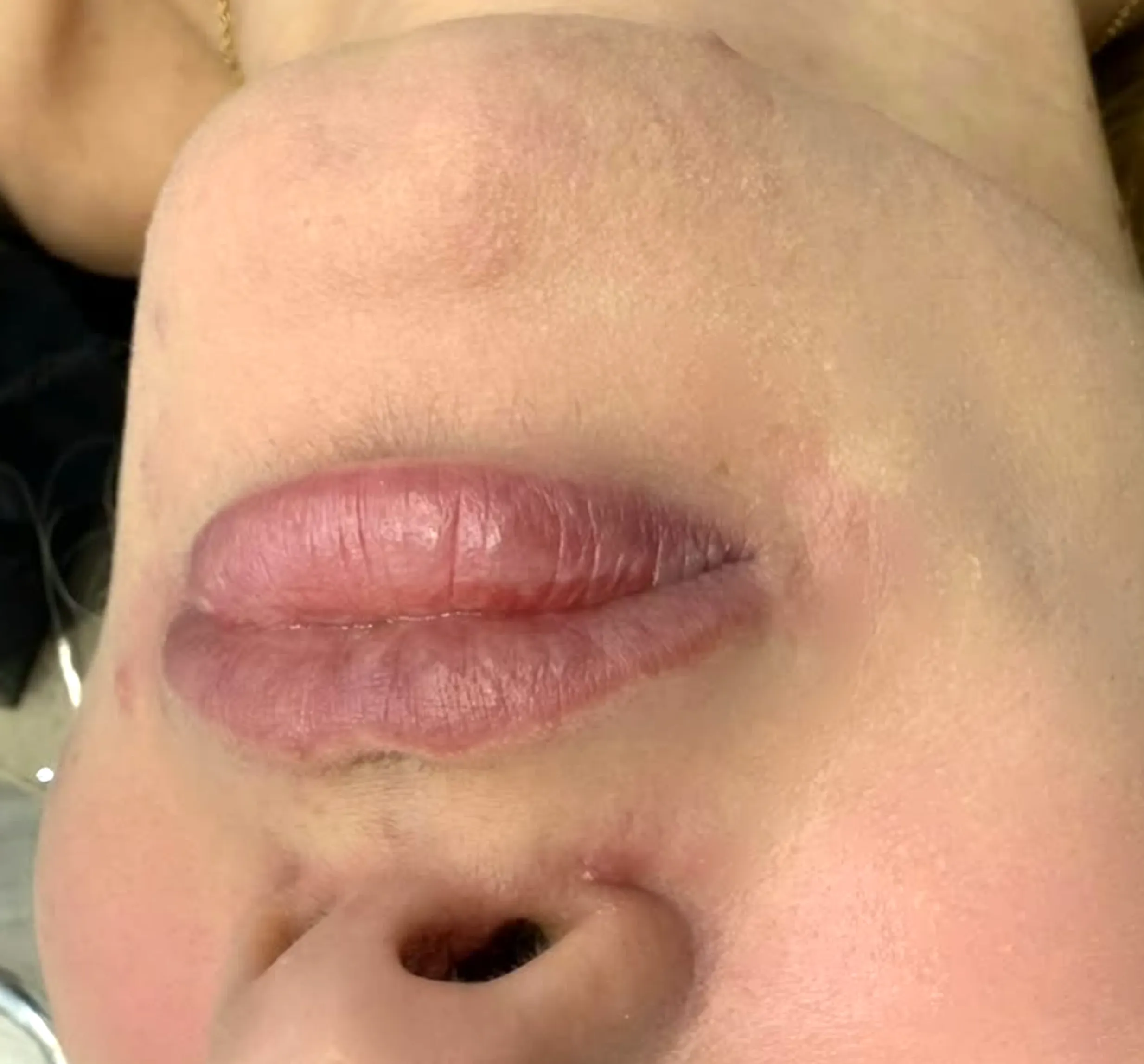
That’s really valuable when it comes to cosmetic tattooing – especially on the lips, where things can get pretty complicated pretty quick with swelling, vascularity and client expectations all coming into play.
Where you’ll struggle is with the more artistic side of things: choosing the right colours, balancing out the border, coming up with a realistic treatment plan and getting the right depth so the results heal smoothly and not patchily.
Why Clinical Minds Adapt Fast To Lip Tattooing
They can stay calm under pressure. Got a nervous first model? They won’t fall apart.
They’re used to the importance of infection prevention – hand hygiene, PPE, keeping everything clean and tidy, and so on.
They’ve got good client screening instincts – they’re used to asking the right questions and documenting everything properly.
But: some nurses may need a bit more practice when it comes to aesthetic judgement – choosing flattering colours, mapping out a natural shape and not overworking the lip tissue. Even with a post-graduate nursing degree or post-grad certificates in cosmetic nurse education, you still need to build up your “tattoo hand”.
What Skin Pros Bring Into Lip Tattooing
They’re skin experts – they understand things like barrier function, inflammation, how pigmentation behaves and the risks of scarring.
They’re used to planning treatments – they think in courses and timelines, and they’re not going to over-promise and under-deliver on day one.
They’re good at explaining things to clients – they can have the aftercare chats without freaking out.
But: dermal work (including laser therapy and PRP planning) doesn’t automatically mean you know how to get the right depth consistency on a moving, stretchy lip.
Your clinical background will help keep people safe, no question.
But cosmetic tattoo training skills are about making results both beautiful and predictable – even if you can make good clinical decisions, cosmetic tattooing still requires a steady hand, a trained eye for colour and the patience to let lips heal properly before you go chasing more saturation.
What A Good Lip Course Should Include
If a cosmetic tattoo course seems as shallow as ‘watch a demo, take a selfie and voila, here’s your certificate,’ run for the hills. A proper training provider should actually give you some real guidance, along with a chance to get some hands-on practice in a supervised environment, and clear guidelines on safety, because let’s be honest – lips aren’t the place for winging it.
A lot of cosmetic tattoo courses may look super polished online, but the really good ones actually lay it all out for you – they tell you exactly how they decide if you’re fit to practice, how many models you’ll get to work on during the course, and what kind of support you can expect once you’re out in the real world.
Core Theory You Should Expect
Look for courses (and training manuals) that cover the serious business of:
- The lip anatomy and the vascular parts involved (don’t even get me started on how easily those can go wrong).
- Contraindications and the risks involved (you know, cold sores, being on anticoagulants, healing disorders, immune issues – that kind of thing).
- Colour theory and all that jazz – undertones, neutralising vs enhancing, that sort of thing.
- Fitzpatrick and pigmentation behaviour (don’t even get me started on melanin-rich lips – just, no).
- What the different pigment ingredients are, how to choose the right one, and what kind of fading to expect.
Practical Skills That Matter In Real Life
A good course will teach you:
- How to map for symmetry without overlining – that is, without making the lip look like it’s been battered by a hurricane.
- Stretching, pressure and depth control – because working with soft tissue is all about finesse.
- Needle groupings, speed and voltage basics – you don’t want to be stuck with a client wincing in agony.
- Layering strategy – so you don’t end up putting too much pigment on and ruining the whole thing.
- How to deal with swelling and client movement (because, let’s face it, they are going to move).
- How to plan perfecting sessions (when to add more pigment and when to hold back – and how to avoid making a mess).
Supervised Models And Feedback (Non-Negotiable)
Get in front of a live model and get real-time feedback – that’s usually when people start to really learn, especially clinicians who are used to learning alongside experienced educators.
Before you lock in that training date, make sure the course actually includes live model mapping, real-time correction feedback and a clear plan for your first few clients.
And hey, while you’re at it – what happens after training sessions are over? Do you get some real case reviews, photo feedback, or does the support just kinda… disappear?
Brisbane And Queensland Rules To Know
Queensland thinks of tattooing as a higher-risk gig for personal appearance services, so you can’t just whip up a quick microblading course and start churning out designs in your kitchen. Brisbane also has its own rules about getting a licence to operate, and you’ll need to get your infection prevention skills up-to-scratch.
Do your own research and talk to your local council and insurer – the rules can change, and you don’t want to get caught out.
Infection Prevention Unit: HLTINF005
As per Queensland Health’s guidelines for higher-risk personal appearance businesses (tattooing included), you’ll need your staff to get certified in Infection Control Competency HLTINF005 – Keeping infection at bay for skin penetration treatments. This one’s listed on training.gov.au – the national register for training in Australia.
Brisbane City Council Licensing
Brisbane City Council’s website, with all the info on personal appearance services licences, says that anyone working in those businesses needs to achieve HLTINF005, and you’ll need to send over your Statements of Attainment as proof when you’re applying for a licence.
(Just a general heads up – if you’re not sure what licence you need to apply for, do a reality check and check in with the council and Queensland Health.)
Nurses: Scope, Side Businesses, And Reality Checks
Loads of nurses get into cosmetic tattooing and do a fantastic job – but there’s other stuff to think about, like your employment contract, AHPRA obligations, and insurance. We’re not lawyers, so take this as a nag to get familiar with your policies before you start advertising or taking payments.
A Quick Comparison Table: Strengths, Gaps, And Best Course Match
| Background | Strengths You’ll Likely Have | Common Gaps We See | What To Look For In A Course |
|---|---|---|---|
| Nurse | Infection prevention habits, screening, calm communication, and strong client care | Colour selection confidence, lip design, saturation technique | Heavy supervised practice, colour theory, clear contraindication protocols, support after training |
| Dermal Therapist | Skin assessment, healing knowledge, client education, treatment plan thinking | Machine depth consistency, lip tissue handling, speed/pressure control | Machine fundamentals, lots of model time, detailed technique breakdowns, strong aftercare training |
| Beauty Technicians (Bonus) | Client service, styling, lip aesthetics | Clinical screening depth, documentation, and higher-risk safety habits | Strong infection prevention training + structured screening processes |
Market And Trend Notes For 2026
The permanent makeup market is looking pretty uncertain when it comes to forecasting, and the various industry reports out there are all over the place. But what most of them do agree on is that we’re in for continued growth over the late 2020s and early 2030s – take those projections for what they’re worth.
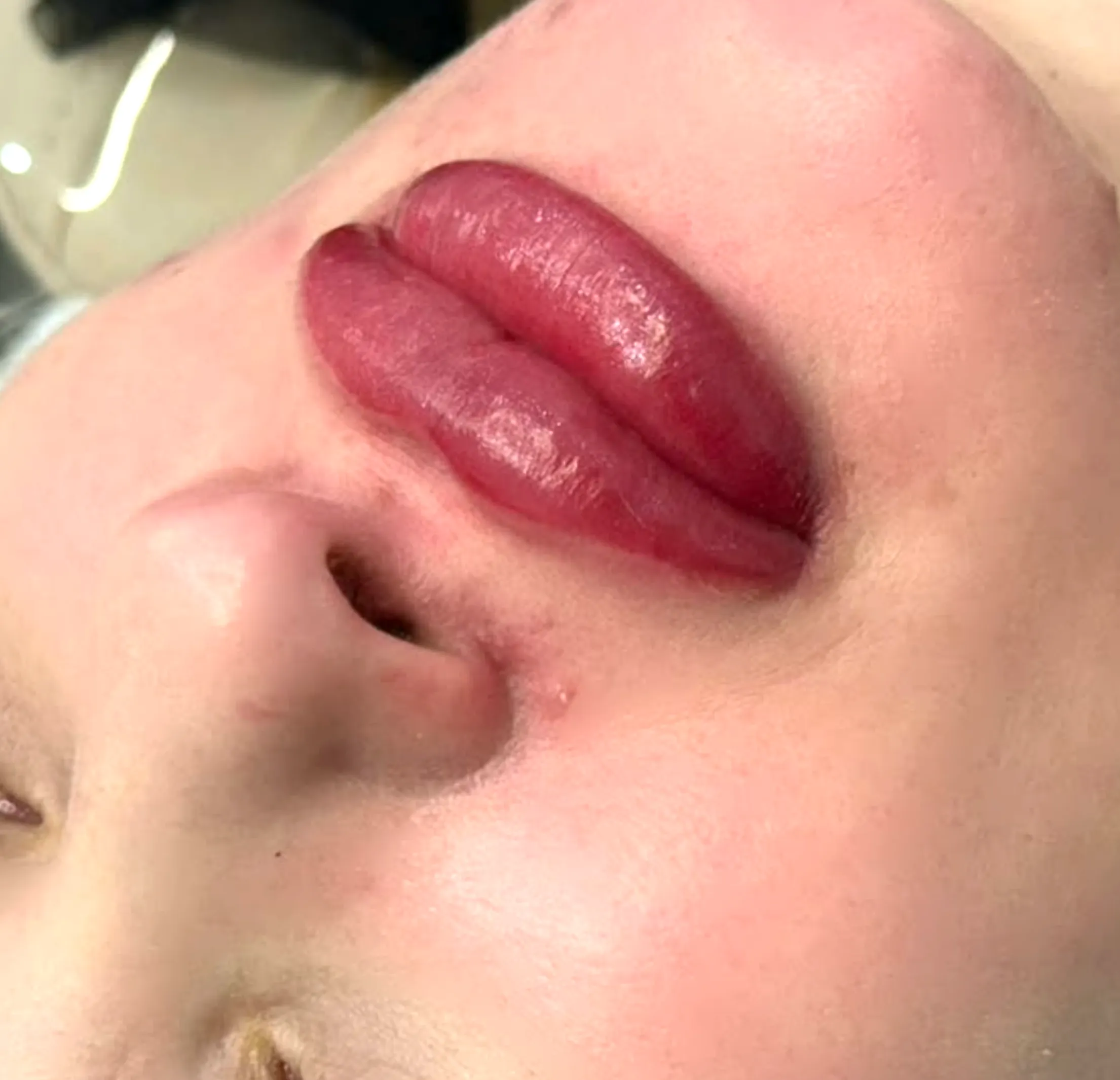
When it comes to lip trends in 2026, we’re seeing a real shift towards softer, more subtle looks. People are moving away from sharp lines and going for a more ‘blurred’ effect – and guess what? That’s pretty much exactly what happens when you get a good lip tint done.
All of this is a bit of a blessing and a curse for nurses and dermal therapists looking to break into the beauty industry. On the one hand, the trend is pretty much exactly what clients are after: nice, subtle colour that looks like it’s just naturally there. On the other hand, it’s also a move away from the kind of heavy, blocky lipstick looks that are a bit easier to put on.
Final Advice — And A Friendly Nudge
If you’re a nurse, dermal therapist or aesthetic practitioner thinking about getting into cosmetic tattooing, then you’ve already got a real leg up on most students – and that’s no small thing. With your clinical eye, your knowledge of hygiene and your focus on client care, this is basically just an extension of what you do anyway.
If you’re looking to take the plunge and start training, we’d be stoked to help out with all the logistics – or you could get in touch with Cosmetic Tattoo Studio Melbourne Face Figurati – they’re mates of ours and should be able to point you in the right direction.
FAQ
Do nurses typically pick up cosmetic tattooing faster than complete beginners?
Yeah, usually they do. From what I’ve seen, nurses and dermal therapists tend to speed along a lot faster because they’ve already got all the basics down pat – hygiene, skin reactions, procedural workflow… all that jazz.
Absolutely. A lot of Brisbane clinics pair it up with things like PRP, laser therapy, dermal fillers and whatnot to give clients a one-stop shop for all their aesthetic needs.
Do you need some extra postgrad qualifications to get into this sort of thing?
No way. Cosmetic tattooing sits outside of medical regulation, so your nursing degree is more about giving you the skills and knowledge to avoid any potential problems – not because you need it to actually do the job.
Is online training all you need to learn how to do this stuff?
No – for clinicians like nurses and dermal therapists, hands-on practice is essential. You can’t just get a computer course and expect to figure out needle depth and pigment saturation in a couple of clicks.
What if you’re already an aesthetician offering injectables – will adding tattooing somehow clash with that?
Not a bit. In fact, a lot of practitioners find that they complement each other pretty nicely – volume from fillers, colour from lip tattooing… it all makes for a pretty sweet combo.